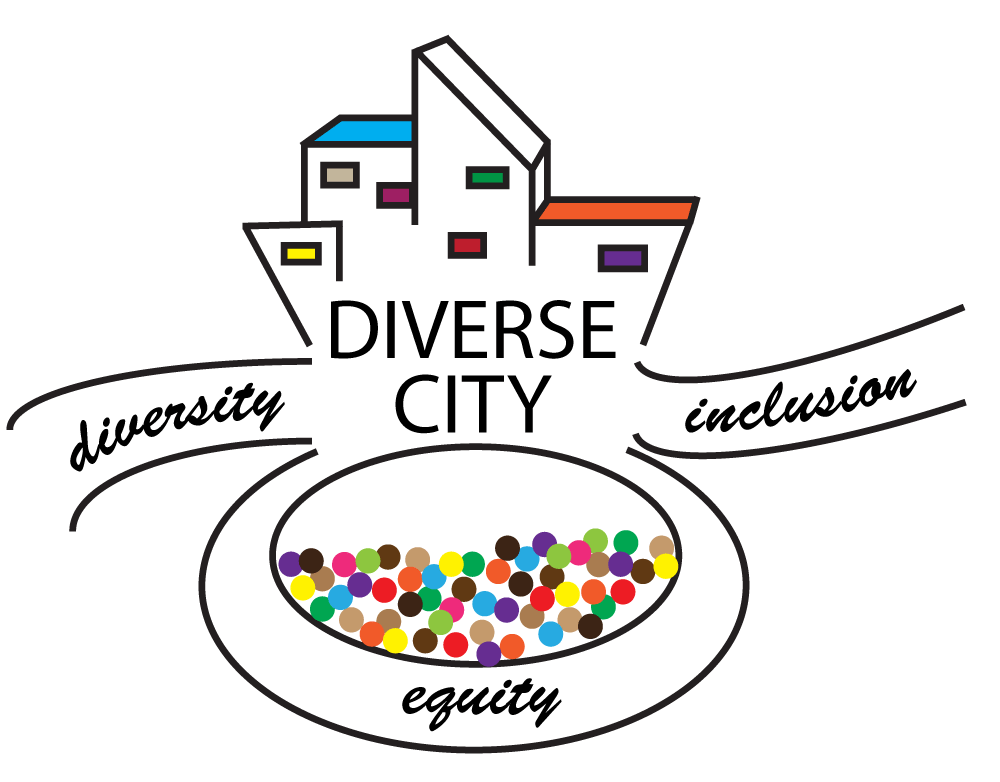



Over the past two decades, the conversation around workplace culture has evolved significantly. Organizations first focused on increasing workforce diversity, then expanded their efforts to promote equity and inclusion. Today, a new concept is shaping the future of organizational success: belonging.
While diversity ensures different people are represented and inclusion encourages participation, belonging goes one step further. It reflects whether employees genuinely feel accepted, respected, connected, and valued for who they are. A workplace can be diverse and even inclusive, yet still fall short if employees feel they must hide aspects of themselves or struggle to feel like they truly fit in.
As businesses compete for talent, innovation, and long-term growth, belonging has emerged as the next frontier of workplace culture. Organizations that cultivate a genuine sense of belonging are better positioned to attract skilled professionals, retain top performers, strengthen collaboration, and unlock the full potential of their workforce.
This article explores the evolution from diversity to belonging, why it matters, and how leaders can create workplaces where every employee feels empowered to succeed.
Understanding the Difference Between Diversity, Inclusion, and Belonging
Although these terms are often used together, each represents a different aspect of workplace culture.
Diversity
Diversity refers to the presence of employees with different backgrounds, identities, experiences, perspectives, and skills.
This may include differences in:
- Professional experience
- Educational background
- Age
- Gender
- Ethnicity
- Disability
- Culture
- Thought and problem-solving approaches
Diversity answers one important question:
Who is represented within the organization?
Inclusion
Inclusion focuses on creating an environment where employees have equal opportunities to participate, contribute, and succeed.
An inclusive workplace encourages:
- Open communication
- Fair decision-making
- Equal access to development
- Respectful collaboration
- Diverse perspectives
Inclusion asks:
Does everyone have an opportunity to contribute?
Belonging
Belonging reflects an employee’s personal experience within the workplace.
Employees experience belonging when they feel:
- Accepted by colleagues
- Respected for their contributions
- Comfortable expressing ideas
- Valued as individuals
- Connected to the organization
- Supported by leadership
Belonging answers the question:
Do employees truly feel they are an important part of the organization?
Why Diversity Alone Is Not Enough
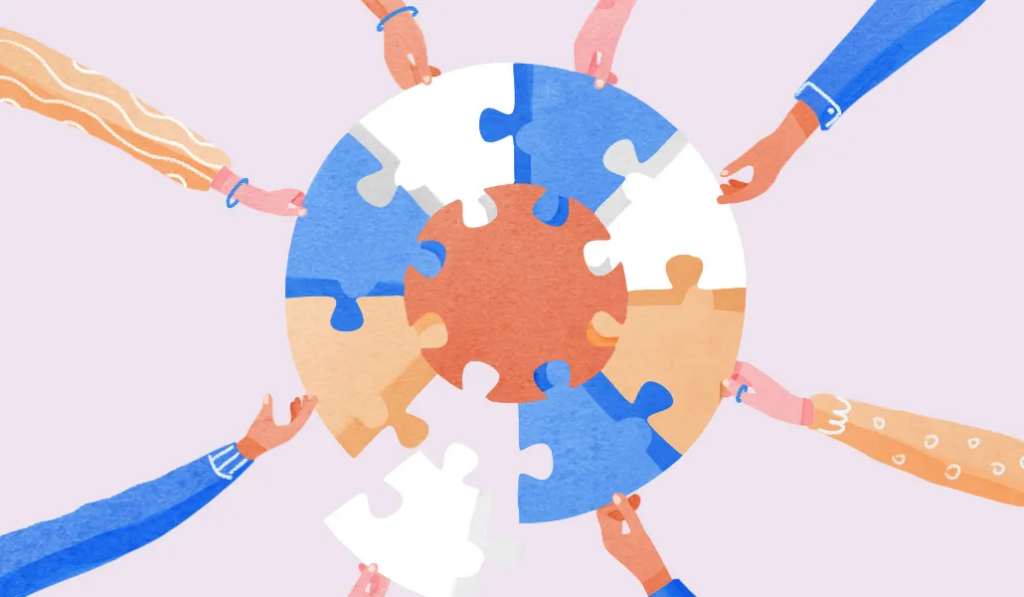
Many organizations have made significant progress in improving workforce diversity. However, representation alone does not guarantee positive employee experiences.
A company may successfully hire individuals from a wide range of backgrounds, yet employees may still experience barriers such as:
- Feeling excluded from important conversations
- Limited access to career opportunities
- Lack of recognition
- Unequal participation during meetings
- Difficulty building relationships across teams
Without inclusion and belonging, diverse talent may become disengaged or seek opportunities elsewhere.
Building an inclusive culture ensures people are present. Building belonging ensures they want to stay.
The Business Value of Belonging
Belonging is not simply an employee well-being initiative. It has measurable business benefits that support organizational performance.
When employees feel they belong, organizations often experience:
- Higher employee engagement
- Improved collaboration
- Greater innovation
- Stronger retention
- Better customer service
- Increased productivity
- Higher levels of trust
Employees who feel connected to their teams are more likely to share ideas, solve problems collaboratively, and contribute beyond their formal responsibilities.
Why Belonging Has Become the Next Frontier
Today’s workplace has changed dramatically.
Organizations now operate with:
- Hybrid and remote teams
- Global collaboration
- Multi-generational workforces
- Rapid technological change
- Increasing demand for employee well-being
These changes have made interpersonal connection and trust more important than ever.
Employees increasingly evaluate organizations based not only on salary and benefits but also on workplace culture and their overall experience.
Belonging has become a competitive advantage because it strengthens both employee satisfaction and organizational resilience.
The Connection Between Belonging and Psychological Safety
Belonging and psychological safety reinforce one another.
Employees who feel they belong are more likely to:
- Ask questions
- Share innovative ideas
- Admit mistakes
- Offer constructive feedback
- Participate during meetings
Likewise, psychologically safe environments strengthen belonging by encouraging open communication and mutual respect.
Together, these factors create teams that collaborate more effectively and adapt more quickly to change.
Leadership’s Role in Creating Belonging
Belonging begins with leadership.
Employees often look to managers for signals about whether their ideas, contributions, and experiences are genuinely valued.
Inclusive leaders build belonging by consistently demonstrating:
- Respect
- Transparency
- Fairness
- Empathy
- Accountability
Daily leadership behaviors often have a greater impact than formal workplace policies.
Practice Inclusive Communication
Communication shapes how employees experience the workplace.
Managers should:
- Listen actively.
- Encourage participation from every team member.
- Explain decisions transparently.
- Recognize diverse viewpoints.
- Create opportunities for open discussion.
Employees are more likely to feel connected when they know their voices matter.
Recognize Every Contribution
Recognition is one of the strongest drivers of belonging.
Employees should receive appreciation for:
- Individual achievements
- Team collaboration
- Creative ideas
- Problem-solving efforts
- Consistent everyday contributions
Recognition should be fair, timely, and accessible across the organization.
Creating Everyday Moments of Belonging

Belonging is built through consistent daily interactions rather than occasional initiatives.
Simple actions can make a meaningful difference.
Examples include:
- Greeting colleagues respectfully.
- Inviting different perspectives during meetings.
- Giving credit where it is due.
- Encouraging collaboration across departments.
- Checking in with employees regularly.
- Supporting professional development.
- Celebrating team successes together.
These small moments reinforce that every employee is a valued member of the team.
Removing Barriers to Belonging
Organizations should regularly evaluate workplace practices that may unintentionally limit belonging.
Areas worth reviewing include:
Hiring Practices
Recruitment should focus on identifying talent while creating welcoming candidate experiences.
Structured interviews and inclusive job descriptions help establish fairness from the beginning.
Career Development
Employees should have equal access to:
- Training
- Mentorship
- Leadership development
- Stretch assignments
- Promotion opportunities
Transparent career pathways strengthen employees’ confidence in the organization.
Workplace Communication
Inclusive communication helps employees feel informed and respected.
Leaders should ensure:
- Information is shared consistently.
- Meetings encourage participation.
- Feedback is welcomed.
- Different communication styles are respected.
Measuring Belonging
Unlike workforce representation, belonging is measured through employee experiences rather than demographic data alone.
Organizations commonly evaluate belonging using:
- Employee engagement surveys
- Inclusion assessments
- Stay interviews
- Exit interviews
- Team discussions
- Anonymous feedback channels
Useful questions may include:
- Do you feel respected by your colleagues?
- Can you express your opinions openly?
- Do you believe your contributions are valued?
- Do you feel connected to your team?
- Would you recommend this organization as a great place to work?
Tracking belonging over time helps leaders identify opportunities for improvement.
Common Challenges
Building belonging requires continuous attention.
Organizations may encounter challenges such as:
Inconsistent Leadership
Employees experience belonging differently depending on their managers.
Providing leadership development focused on inclusive behaviors helps create greater consistency.
Remote and Hybrid Work
Distributed teams may experience fewer opportunities for informal connection.
Leaders should intentionally create opportunities for collaboration, relationship-building, and regular communication.
Limited Employee Voice
Employees are less likely to feel they belong if feedback is ignored.
Organizations should actively seek employee input and communicate how suggestions influence workplace improvements.
Practical Strategies to Strengthen Belonging

Organizations can embed belonging into everyday operations by focusing on consistent leadership and employee experience.
Practical actions include:
- Encourage open and respectful communication.
- Build psychological safety across teams.
- Recognize contributions fairly.
- Create transparent career development opportunities.
- Support inclusive leadership training.
- Gather regular employee feedback.
- Act on survey results and employee suggestions.
- Foster collaboration across departments.
- Celebrate different perspectives and experiences.
- Continuously evaluate workplace policies for fairness and accessibility.
These practices help belonging become part of organizational culture rather than a standalone initiative.
Building a Workplace Where Everyone Belongs
The evolution from diversity to belonging reflects a deeper understanding of what employees need to thrive. Diversity brings different people into the organization, inclusion creates opportunities for participation, and belonging ensures employees feel genuinely connected, respected, and valued.
Organizations that prioritize belonging create workplaces where people are comfortable sharing ideas, building relationships, and contributing their full potential. This not only enhances the employee experience but also strengthens innovation, collaboration, retention, and long-term business performance.
Belonging is not achieved through a single program or policy. It grows through everyday leadership, fair decision-making, meaningful recognition, and authentic human connection. By making belonging a central part of organizational culture, businesses create environments where employees and organizations can succeed together.