

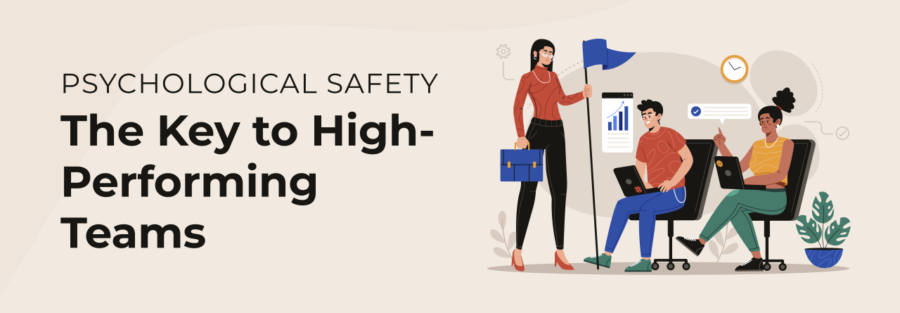
High-performing teams are built on more than technical expertise, ambitious goals, or efficient processes. At the heart of every successful team is an environment where people feel comfortable speaking up, asking questions, sharing ideas, and learning from mistakes without fear of embarrassment or unfair criticism. This environment is known as psychological safety, and it has become one of the most important factors in effective leadership and team performance.
When employees feel respected and heard, they are more likely to contribute their knowledge, collaborate openly, and solve problems creatively. In contrast, workplaces where people fear being judged or ignored often experience lower engagement, reduced innovation, and weaker collaboration.
Creating psychological safety is not about lowering standards or avoiding accountability. Instead, it is about building a culture where people can perform at their best because they trust their colleagues and leaders. This guide explores why psychological safety matters and provides practical strategies for creating teams where everyone can thrive.
What Is Psychological Safety?
Psychological safety refers to a shared belief that team members can express themselves without fear of negative consequences. Employees feel confident that they can:
- Ask questions without appearing uninformed.
- Share new ideas without being dismissed.
- Admit mistakes without being unfairly blamed.
- Offer constructive feedback respectfully.
- Challenge assumptions and contribute different perspectives.
In psychologically safe workplaces, employees are encouraged to participate fully because they know their voices matter.
Why Psychological Safety Matters
Every employee brings unique experiences, skills, and ideas to the workplace. However, these contributions only benefit the organization if people feel comfortable sharing them.
When psychological safety is present, teams often experience:
- Stronger collaboration
- Greater innovation
- Higher employee engagement
- Faster problem-solving
- Better decision-making
- Increased trust among colleagues
- Improved employee retention
Employees who feel respected and valued are more likely to take initiative, support one another, and remain committed to organizational goals.
The Connection Between Respect and Performance
Respect is the foundation of psychological safety.
Employees who consistently experience respectful treatment are more willing to contribute ideas, ask for clarification, and participate in discussions. They are less likely to hide mistakes or remain silent when they notice potential problems.
On the other hand, environments where employees fear criticism often lead to hesitation, reduced creativity, and missed opportunities.
Respect creates confidence, and confidence enables better performance.
Characteristics of Psychologically Safe Teams
Teams with high levels of psychological safety often demonstrate similar behaviors.
They typically:
- Welcome different opinions.
- Encourage healthy discussion.
- Listen actively.
- Share information openly.
- Learn from mistakes.
- Support continuous improvement.
- Value every team member’s contributions.
These behaviors strengthen collaboration while helping teams adapt to changing business needs.
The Leader’s Role in Creating Psychological Safety
Managers have the greatest influence on whether employees feel safe speaking openly.
Inclusive leaders create psychological safety through consistent actions rather than occasional initiatives.
Their daily behaviors communicate whether employees are genuinely encouraged to contribute.
Practice Active Listening
Listening is one of the most powerful leadership skills.
Rather than preparing responses while employees are speaking, effective leaders focus on understanding their perspectives.
Active listening includes:
- Maintaining attention during conversations.
- Asking thoughtful follow-up questions.
- Clarifying information before responding.
- Acknowledging employee contributions.
- Avoiding unnecessary interruptions.
When employees feel heard, they become more willing to share valuable ideas.
Respond Constructively to Questions
Employees should never feel discouraged from asking questions.
Instead of viewing questions as signs of weakness, leaders should treat them as opportunities for learning and improvement.
Constructive responses encourage curiosity and continuous development across the team.
Encourage Open Communication
Open communication is essential for building trust.
Employees should feel comfortable discussing:
- Challenges
- New ideas
- Project concerns
- Workload issues
- Process improvements
Managers can encourage openness by regularly asking for input and demonstrating that employee feedback influences decisions.
Create Inclusive Meetings
Meetings often reveal whether psychological safety truly exists.
Leaders can encourage participation by:
- Inviting contributions from everyone.
- Giving quieter employees time to speak.
- Preventing interruptions.
- Recognizing ideas fairly.
- Encouraging respectful disagreement.
- Summarizing different viewpoints before making decisions.
Inclusive meetings help teams benefit from diverse perspectives.
Normalize Learning From Mistakes
Mistakes are inevitable in any workplace.
Teams become stronger when mistakes are treated as opportunities to improve rather than occasions for blame.
This does not eliminate accountability. Instead, it shifts attention toward understanding:
- What happened?
- Why did it happen?
- What can be improved?
- How can similar issues be prevented?
A learning mindset encourages employees to identify problems early rather than hiding them.
Encourage Healthy Disagreement
High-performing teams do not avoid disagreements—they manage them productively.
Constructive debate often leads to stronger decisions because it exposes different viewpoints and challenges assumptions.
Leaders should encourage employees to:
- Ask thoughtful questions.
- Present alternative ideas respectfully.
- Focus on evidence rather than personalities.
- Remain open to changing their opinions.
Respectful disagreement strengthens decision-making and reduces groupthink.
Build Trust Through Consistency
Trust develops when leaders consistently demonstrate fairness, integrity, and respect.
Employees are more likely to speak honestly when managers:
- Keep commitments.
- Communicate transparently.
- Apply policies consistently.
- Recognize contributions fairly.
- Address concerns promptly.
Consistency reinforces confidence in leadership.
Give Employees a Voice
People are more engaged when they believe their opinions matter.
Managers can strengthen participation by regularly asking:
- What challenges are affecting your work?
- How can our team improve?
- Do you have ideas we have not considered?
- What support would help you succeed?
Equally important is acting on employee feedback whenever possible.
Visible improvements demonstrate that employee input has value.
Recognize Contributions Fairly
Recognition supports psychological safety by showing employees that their efforts are appreciated.
Inclusive recognition involves acknowledging:
- Individual achievements
- Team collaboration
- Creative ideas
- Problem-solving efforts
- Behind-the-scenes contributions
Fair recognition encourages continued participation and reinforces positive workplace behaviors.
Remove Barriers to Participation
Some employees naturally speak confidently, while others contribute more effectively through written communication or smaller discussions.
Leaders should provide multiple opportunities for participation by:
- Accepting written suggestions.
- Holding one-on-one conversations.
- Using anonymous feedback channels when appropriate.
- Rotating meeting facilitators.
- Encouraging contributions before and after meetings.
Flexible participation methods help ensure every voice can be heard.
Common Behaviors That Undermine Psychological Safety
Even well-intentioned managers can unintentionally reduce psychological safety.
Examples include:
- Interrupting employees frequently.
- Dismissing ideas too quickly.
- Publicly criticizing mistakes.
- Rewarding only outspoken employees.
- Making decisions without explanation.
- Ignoring employee feedback.
- Showing favoritism.
Recognizing these behaviors allows leaders to replace them with more inclusive practices.
Measuring Psychological Safety

Organizations can evaluate psychological safety by gathering regular feedback from employees.
Useful indicators include:
- Employee engagement survey results
- Participation during meetings
- Retention rates
- Collaboration across teams
- Employee willingness to share ideas
- Frequency of constructive feedback
- Innovation and process improvement suggestions
Managers should look for trends over time and use feedback to strengthen team culture.
Practical Habits That Build Psychological Safety Every Day
Creating psychological safety does not require dramatic organizational changes. Small, consistent actions often make the greatest difference.
Managers can build stronger teams by practicing these habits:
- Begin meetings by inviting questions and ideas.
- Listen without interrupting.
- Thank employees for speaking up.
- Encourage respectful discussion.
- Admit when you do not have all the answers.
- Treat mistakes as learning opportunities.
- Explain decisions openly and transparently.
- Recognize contributions from every team member.
- Ask for feedback regularly.
- Follow through on commitments.
Over time, these habits create an environment where employees feel confident contributing their best work.
Psychological Safety as a Competitive Advantage
Organizations that prioritize psychological safety gain more than a positive workplace culture. They create teams that communicate openly, solve problems more effectively, adapt to change with greater confidence, and consistently deliver stronger results.
When employees feel respected and heard, they are more willing to share ideas, collaborate across departments, and take ownership of their work. This leads to better decision-making, increased innovation, and higher levels of engagement throughout the organization.
Building psychological safety is an ongoing leadership responsibility, not a one-time initiative. By fostering trust, encouraging open communication, recognizing contributions fairly, and creating opportunities for every employee to participate, leaders can develop high-performing teams that are resilient, collaborative, and prepared for long-term success.